Metal Gear Solid Master Collection Vol. 2: Analyzing the Controversial MGS4 Product Placement Change and What It Means for Fans
The Return of Snake: Anticipation Builds for Metal Gear Solid Master Collection Vol. 2
Following the successful launch of the first compilation, the announcement of the Metal Gear Solid Master Collection Vol. 2 has sent waves of nostalgia and excitement through the global gaming community. This highly anticipated second volume promises to bring some of the most technically ambitious and narratively complex entries in Hideo Kojima’s iconic stealth franchise to modern hardware, including PC, PS5, Xbox Series X|S, Nintendo Switch, Steam Deck, and even the presumed successor, the Nintendo Switch 2.
Scheduled for release on August 27, 2026 (based on initial reports and announcements, including its reveal at the February 2026 State of Play event), Vol. 2 boasts a stellar lineup: Metal Gear Solid 4: Guns of the Patriots (MGS4), Metal Gear Solid: Peace Walker (likely the PS3 HD Collection version), and the classic portable entry, Metal Gear: Ghost Babel (also known as Metal Gear Solid on Game Boy Color).
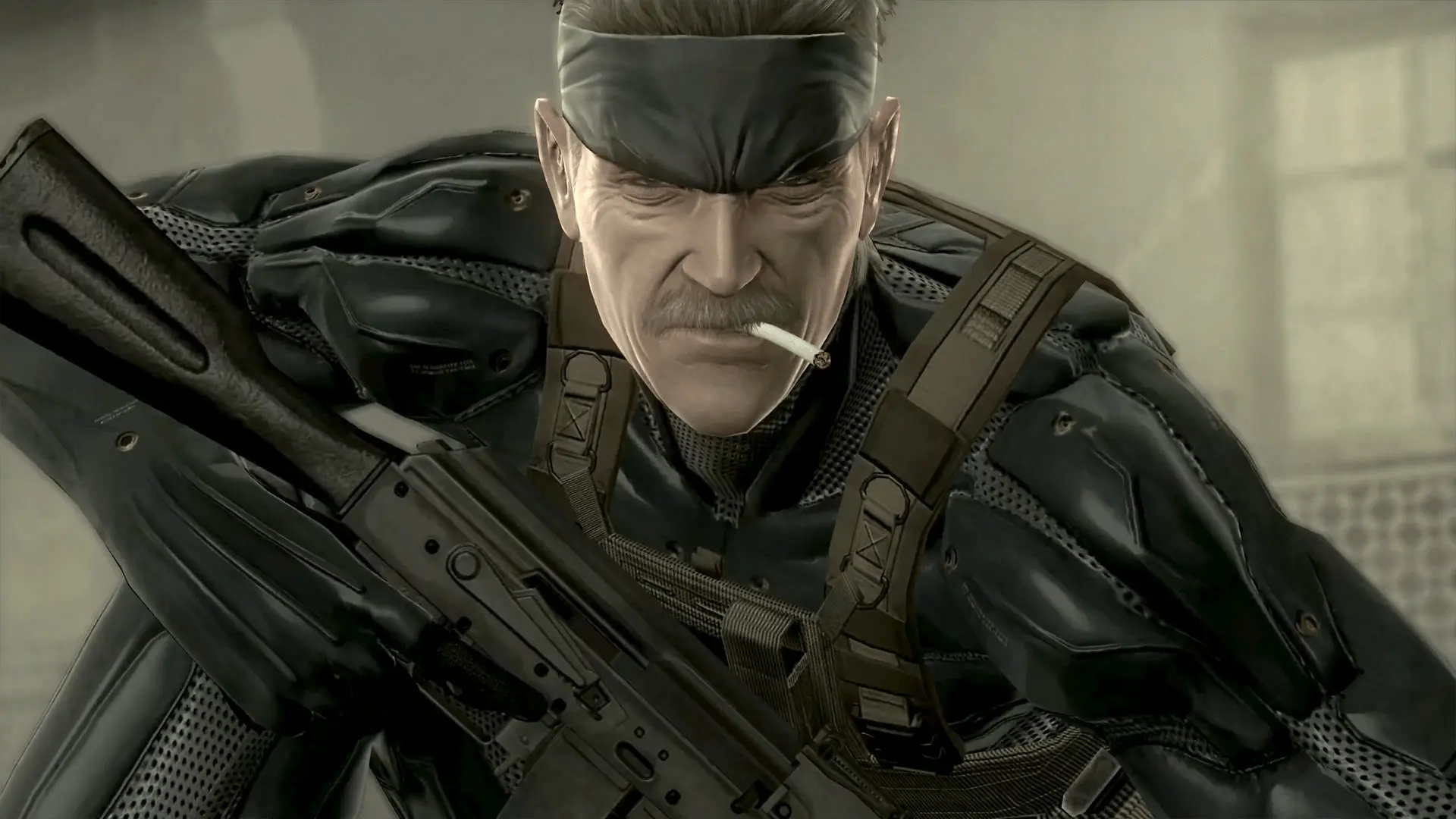
While the prospect of re-experiencing Old Snake’s final mission and Big Boss’s adventures in Central America on current-generation consoles is thrilling, early revelations suggest that the collection may not be entirely faithful to the original releases. Specifically, a minor but significant detail within MGS4 has already sparked intense debate among dedicated fans, highlighting the complex issues surrounding historical preservation and licensing in video game re-releases.
The MGS4 Licensing Dispute: PS3 Replaced by Kerotan
The core controversy centers around a subtle change noticed within the digital artbook packaged with the collection, which provides glimpses into the updated game environments. Metal Gear Solid 4: Guns of the Patriots, originally a PlayStation 3 exclusive launched in 2008, was famous—or infamous—for its immersion of real-world products and hardware into its fictional world.
A diligent fan, identified as Mr_Beacon00 on social media platforms, highlighted a discrepancy concerning the interior of the NOMAD air transport—a critical location early in the game. In the original 2008 release, the desk on the second floor of the plane notably featured a physical PS3 console positioned next to a radio cassette player. This detail served not only as environmental dressing but also as an internal nod to the host platform.
The updated assets for the 2026 Master Collection version, however, show that this iconic piece of Sony hardware has been replaced. Instead of the PS3 console, the space is now occupied by a cluster of “Kerotan dolls” (the collectible frog toys scattered throughout the game world). This removal of the PS3 console is raising concerns that other instances of product placement, which were integral to MGS4’s aesthetic, may also be purged.

Why the Change? The Complexities of Product Placement and Licensing
The substitution of the PS3 with Kerotan dolls is almost certainly a direct result of expiring licensing agreements. Unlike fictional items, using real-world products like consoles, music players (such as the ubiquitous iPod), magazines (Playboy), or even specific brand names (Apple, Sony) requires careful and often time-limited contracts. When a game is re-released more than a decade later, renewing those licenses can be prohibitively expensive, legally complicated, or simply impossible.
For Konami, replacing specific product models with in-universe assets (like the Kerotan) is the simplest and most cost-effective way to preserve the game’s core experience while sidestepping legal hurdles. This situation leads to a fascinating philosophical debate among fans and historians:
- Preservation vs. Accessibility: Is it better to have an accessible version of the game with minor changes, or maintain perfect fidelity in an inaccessible, legally complex original form?
- Historical Context: MGS4 used these products to ground its near-future setting in reality. Removing them subtly alters the intended historical aesthetic.
Analysis of Potential Further Product Placement Removals
The PS3 swap serves as a harbinger for other product placements featured heavily in the original Guns of the Patriots. Fans are already speculating about the fate of iconic, licensed items:
| Product Placement | Original Function/Location | Likely Status in Vol. 2 | Reasoning |
|---|---|---|---|
| PlayStation Portable (PSP) | Used by Sunny in cutscenes. | Likely Replaced/Genericized | Sony hardware licensing often strict; PSP is obsolete technology. |
| Apple iPod | The core music playback device used by Snake. | Uncertain (Possible Removal or Rebranding) | Music player functionality might remain, but the Apple logo/name could be removed due to branding costs. |
| Playboy Magazine | Collectible item used to distract guards. | Uncertain (Censorship Risk) | Could be replaced by a fictional military or lifestyle magazine, either due to licensing or modern content guidelines. |
| Specific Beverage Brands | Environmental details or healing items. | High Likelihood of Removal | Often the first elements to be removed in older games during re-releases (e.g., specific soda cans). |
The Importance of Metal Gear Solid 4: Guns of the Patriots
The excitement surrounding MGS4’s inclusion cannot be overstated. For years, the game was trapped on the PS3, primarily due to its complex architecture and immense file size (a dual-layer Blu-ray disc necessity). Its transition to modern multi-platform availability is a monumental technical achievement.
Technical Considerations for the Remaster
While the first Master Collection offered high-definition ports rather than full remakes, the technical demands of MGS4 suggest a significant effort was required for optimization. The game, known for its cinematic scope and dense environments, must now run smoothly across vastly different hardware profiles, from the high fidelity of PS5 and Xbox Series X to the portable capabilities of the Nintendo Switch and Steam Deck.

Expectations are high for improved frame rates (targeting 60 FPS on current-gen consoles) and resolution scaling up to 4K. Achieving this stability, while juggling the complexities of the original engine and potential emulation layers, is the primary challenge Konami faces. The decision to make these minor environmental swaps likely allowed developers more time and resources to focus on critical performance optimization, a trade-off many fans may ultimately accept.
A Look at the Complete Vol. 2 Roster
While MGS4 steals the spotlight, the collection is rounded out by two crucial entries that deepen the Metal Gear lore:
Metal Gear Solid: Peace Walker
Originally a PSP title, Peace Walker serves as the most important canonical entry between MGS3 and Metal Gear Solid V. The version included is thankfully the highly polished HD edition previously released on PS3 and Xbox 360, ensuring a superior visual experience compared to the original portable release. This game is lauded for its mission structure, base-building mechanics, and seminal role in defining Big Boss’s transformation into the antagonist.
Metal Gear: Ghost Babel (MGS Game Boy Color)
An often-overlooked gem, Ghost Babel is a true masterclass in 2D stealth design. Developed specifically for the Game Boy Color, it is essentially an alternative sequel to the original Metal Gear, featuring Solid Snake infiltrating a fortress named Galuade. Its inclusion demonstrates Konami’s commitment to archiving the deepest cuts of the franchise, ensuring that this critically praised, but difficult-to-access, title is available for a new generation.
Platform Accessibility and Feature Comparison
The broad platform release is a major selling point for Vol. 2, guaranteeing that nearly every gamer can access these legendary titles. However, performance specifications will inevitably vary across the hardware landscape.
| Platform | MGS4 Target Performance | Native Resolution (Max) | Expected Features |
|---|---|---|---|
| PS5 / Xbox Series X | 60 FPS (Stable) | 4K | HDR Support, Potential Haptic Feedback (PS5), Quick Resume (XSX) |
| PC (Steam) | Unlocked Framerate | Dependent on Hardware (Up to 8K) | Modding Potential, Full Controller/Keyboard Support, Ultrawide Support |
| Steam Deck / Switch 2 | 30-60 FPS (Variable) | 1080p / 720p (Handheld) | Optimized Portable Experience, Potential Upscaling (Switch 2) |
| Nintendo Switch (Original) | 30 FPS (Locked) | 1080p (Docked) / 720p (Handheld) | Portability Focus, Compromised Visual Fidelity compared to rivals |
Fan Sentiment and the Preservation Debate
While the PS3 detail is minor in the grand scheme of a massive game like MGS4, the immediate negative reaction from core fans highlights a recurring tension. For many, the original version of MGS4 is a time capsule of 2008 gaming culture, complete with its specific brand tie-ins. The removal of the PS3 is perceived by purists not just as a lost piece of set dressing, but a slight erosion of the game’s original identity.
The sentiment is understandable. The immersive world created by Kojima often relied on these real-world elements to enhance the feeling of reality. One user, reflecting on the news, lamented the potential loss of other items: “That means the Playboy, the PSP, the Apple product placement… oh no.”
Ultimately, the Master Collection Vol. 2 is an essential step in preserving these masterpieces for future generations. While minor changes due to licensing constraints are disappointing for purists, the ability to play Metal Gear Solid 4 without needing 15-year-old hardware outweighs the loss of a virtual PS3 console. Fans eagerly await the official release, hopeful that the core experience—the tactical espionage action and gripping narrative—remains perfectly intact.