The Hunt for Ben Solo: Steven Soderbergh’s Lost Star Wars Film and Hollywood’s Unmade Dreams
The Phantom Menace of Unmade Projects: Soderbergh’s Star Wars Saga and the Price of Creative Vision
Steven Soderbergh is not just any director. His filmography boasts an eclectic mix of independent gems and mainstream successes, characterized by a distinct authorial voice and an often experimental approach to filmmaking. The mere prospect of Soderbergh, an Academy Award-winning visionary, helming a project within the gargantuan Star Wars franchise was enough to ignite the imagination of cinephiles and Jedi acolytes alike. Yet, as recent revelations from Soderbergh himself have painfully underscored, even the most acclaimed talents are not immune to the crushing realities of Hollywood’s corporate machinery.
In candid interviews with Variety, Soderbergh recounted the almost unbelievable tale of The Hunt for Ben Solo. For two and a half years, he, along with star Adam Driver and screenwriter Rebecca Blunt, poured their hearts and minds into developing a script, largely without compensation. This wasn’t a rogue operation; Lucasfilm, under the watchful eyes of Kathleen Kennedy, Dave Filoni, and Carrie Beck, had given its blessing to the story concept, even enlisting acclaimed writer Scott Z. Burns to refine the text. Despite this high-level approval and significant creative investment, Disney, the ultimate arbiter of the Star Wars universe, abruptly pulled the plug. No budget discussions, no practical details debated – just a blunt cancellation that left a meticulously crafted vision to gather dust in the annals of unproduced cinematic history.

A Vision Unmade: Soderbergh, Driver, and Blunt’s Unseen Star Wars Story
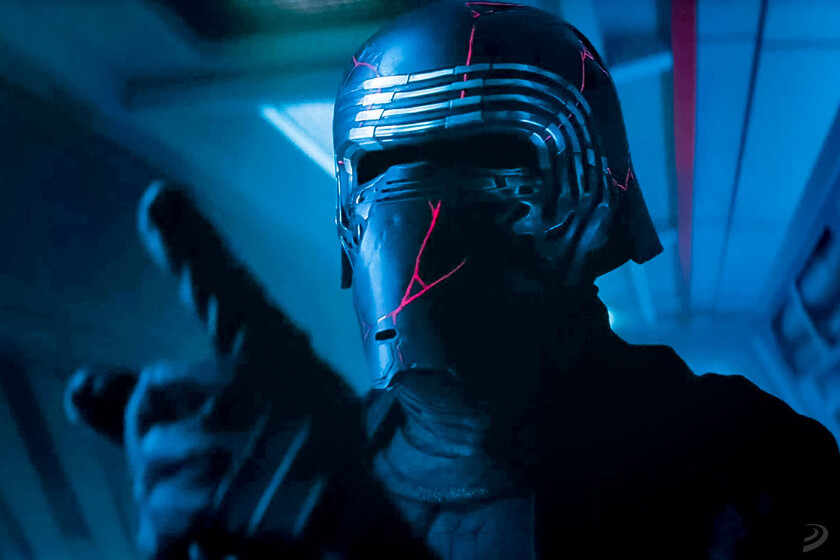
The genesis of The Hunt for Ben Solo lay in Adam Driver’s desire to explore the character of Ben Solo (Kylo Ren) further, beyond his fate in Star Wars: The Rise of Skywalker. Driver, whose nuanced portrayal of the conflicted antagonist earned him widespread acclaim, envisioned a continuation that delved deeper into the complexities of redemption and identity. He found kindred spirits in Soderbergh and Blunt, who crafted a screenplay Driver himself lauded as “one of the coolest” he had ever been involved with. This wasn’t merely a commercial pitch; it was a deeply personal artistic endeavor, aiming for a tone that Driver likened to the “handcrafted, character-oriented” feel of The Empire Strikes Back – a benchmark for many fans seeking thematic depth within the saga.
The creative team immersed themselves in the project, developing not just a script but an entire world in their minds. Soderbergh, in particular, admitted to having “made the movie in his head,” a common and deeply personal step for directors that makes the cancellation all the more agonizing. It’s one thing for a project to die in early development, but to be so far along, with key talent attached and a script nearing completion, only for it to be axed without a fight over budget, speaks volumes about the forces at play.
Why Disney Pulled the Plug: The Fate of Ben Solo
The reason for The Hunt for Ben Solo‘s untimely demise was stark and uncompromising: Disney’s unwavering stance on the character’s narrative conclusion. Following his death and subsequent Force-ghost appearance in The Rise of Skywalker, the studio was adamant that Ben Solo’s story was definitively over. Any project that sought to revive or significantly alter this established canon, even in a hypothetical post-mortem exploration, was a non-starter. This decision highlights a recurring tension within massive franchises like Star Wars: the delicate balance between creative freedom and rigid corporate control over established lore.
For fans, the news was a fresh wound, another promising Star Wars narrative relegated to the realm of ‘what ifs.’ Campaigns erupted online, with some devotees even going so far as to pay for billboards in New York and banners on planes, pleading with Disney to reconsider. This outpouring of frustration underscores the profound emotional investment audiences have in these stories and their characters, mirroring the heartache felt by the creators themselves.
A Galaxy of Unmade Dreams: Other Star Wars Projects in Limbo
Soderbergh’s experience, while unique in its specifics, is far from an isolated incident within the Star Wars galaxy. The path to production in this beloved franchise is littered with the ghosts of promising projects, leaving both creators and fans in a state of perpetual anticipation and frequent disappointment.
The Creative Graveyard: From Rogue Squadron to Lando
Consider Patty Jenkins’ much-hyped Rogue Squadron. Announced with great fanfare, the film, intended to be a high-octane aerial adventure, was enthusiastically received by a fan base eager for new stories. Yet, after years of development, the project seems to have vanished into a “creative limbo,” its future uncertain, leaving Jenkins to move on to other endeavors. Similarly, standalone stories centered on fan-favorite characters like Lando Calrissian, which once sparked considerable excitement, have struggled to materialize, leading many to wonder if these beloved figures will ever truly get their moment in the sun.
Navigating Fandom and Corporate Strategy
The cancellation of The Hunt for Ben Solo and the stalled progress of other projects like Rogue Squadron reveal a deeper struggle within Lucasfilm and Disney. The sequel trilogy, particularly The Last Jedi and The Rise of Skywalker, generated significant division among fans. While some lauded their bold new directions, others vehemently criticized what they perceived as deviations from established lore or character arcs. This charged atmosphere has seemingly fostered a more conservative approach to storytelling, with the studios perhaps wary of taking creative risks that could further alienate segments of the audience.
The original plan for the sequel trilogy reportedly involved a much darker, more character-driven conclusion than what eventually became Episode IX. It’s plausible that The Hunt for Ben Solo aligned more closely with these earlier, more ambitious concepts. The subsequent pivot to a more ‘safe’ or broadly appealing narrative, intended to appease a fractured fandom, may have inadvertently sealed the fate of projects like Soderbergh’s, which aimed for complexity over conciseness.

The Club of the Unproduced: Legendary Filmmakers and Their Lost Projects
Steven Soderbergh and Adam Driver are, unfortunately, not alone in their experience. Hollywood’s history is replete with tales of cinematic titans who poured years of their lives into ambitious projects that ultimately never saw the light of day. This “club of the unproduced” includes some of the most revered names in filmmaking, reminding us that creative passion often collides head-on with the unyielding realities of studio politics, financial constraints, and shifting corporate priorities.
When Vision Clashes with Reality: Examples from Cinematic History
- George Miller’s Justice League: Mortal (2007-2009): Decades before Zack Snyder’s vision, the creator of Mad Max was poised to deliver a live-action Justice League film. Miller spent years developing a script, casting, and pre-production, aiming for a grounded yet epic take on DC’s iconic heroes. Despite a full cast and detailed production designs, Warner Bros. ultimately cancelled the project due to a combination of the Writers Guild of America strike, budget concerns, and a desire to focus on solo hero films first. Miller’s detailed preparation, however, showcased his unparalleled world-building capabilities.
- Quentin Tarantino’s Unmade Sequels and Adaptations: The master of dialogue and non-linear narratives has several legendary unproduced projects. Double V Vega, a planned crossover featuring Vincent Vega (John Travolta from Pulp Fiction) and Vic Vega (Michael Madsen from Reservoir Dogs) in a prequel, was a fan dream. His adaptation of the British comic strip Modesty Blaise and his original, much darker version of Natural Born Killers (which was ultimately directed by Oliver Stone, a film Tarantino still disavows) also remain fascinating “what ifs.” Even when his scripts were adapted by others, they often strayed significantly from his initial vision, proving that authorial control is a constant battle.
- Guillermo del Toro’s At the Mountains of Madness (2006-2011): The visionary director of fantastical horrors spent years meticulously developing an adaptation of H.P. Lovecraft’s seminal novella. With Tom Cruise attached to star and James Cameron on board as a producer, the project seemed destined for the big screen. However, Universal Pictures balked at the proposed R-rating, the hefty budget, and del Toro’s insistence on a dark, uncompromising ending. The film’s cancellation was a crushing blow to both del Toro and legions of Lovecraft fans.
- Alejandro Jodorowsky’s Dune (1970s): Perhaps the most infamous unmade film in history, Jodorowsky’s proposed adaptation of Frank Herbert’s Dune was an audacious, revolutionary vision. He assembled a dream team of artistic collaborators including H.R. Giger, Moebius, and Chris Foss, and envisioned a film starring Salvador Dalí, Orson Welles, and Mick Jagger. Jodorowsky spent years creating exhaustive storyboards, concept art, and even composing parts of the score. While the project ultimately collapsed due to its exorbitant budget and unprecedented runtime, its conceptual designs profoundly influenced science fiction cinema for decades, a testament to the enduring power of an unmade vision.
A Glimpse at Famous Unmade Films
| Project Title | Key Creator(s) | Estimated Development Time | Primary Reason for Cancellation | Legacy/Impact |
|---|---|---|---|---|
| The Hunt for Ben Solo | Steven Soderbergh, Adam Driver, Rebecca Blunt | 2.5 years | Creative differences with studio (Ben Solo’s canonical fate) | Sparked fan campaigns; reignited debate on Star Wars’ creative direction. |
| Justice League: Mortal | George Miller | ~2 years | WGA Strike, budget, studio refocusing | Detailed pre-production designs; showcased Miller’s versatility. |
| At the Mountains of Madness | Guillermo del Toro | ~5 years | Budget, R-rating, dark ending concerns | Remains a “holy grail” for horror fans; del Toro continues to champion the story. |
| Jodorowsky’s Dune | Alejandro Jodorowsky | ~3 years | Exorbitant budget, unprecedented runtime | Profound influence on sci-fi cinema; subject of a celebrated documentary. |
| Double V Vega | Quentin Tarantino | Periodic discussions over years | Actors aging out, logistical challenges | Cult favorite “what if” for Tarantino fans. |
Is the Creative Sacrifice Worth It? The Enduring Value of Unseen Work
The question inevitably arises: Is it truly worth dedicating years of one’s life to a project that may never be seen by the public? For the creators, the answer is complex, fraught with both pride and profound disappointment. For fans, the loss is palpable, a missing piece in the tapestry of their beloved universes.
The Double-Edged Sword for Creators: Passion vs. Pragmatism
For filmmakers like Soderbergh, Driver, and countless others, the drive to tell a story is often deeply personal, extending beyond mere commercial ambition. They are not simply developing a product; they are pouring their creative essence into a narrative, building worlds and characters that resonate with them. The pride in crafting a “cool” script, as Driver described The Hunt for Ben Solo, or in meticulously conceptualizing a universe, provides an intrinsic reward that transcends financial compensation.
However, the emotional toll of cancellation is undeniable. Soderbergh’s confession of having “made the movie in his head” speaks to the profound grief of losing a vision that was almost fully realized. The frustration stems not just from the loss of work, but from the inability to share that work with an audience, to impact culture, and to see years of dedication culminate in its intended form.

The Creator’s Dilemma: Pros and Cons of Working on Cancelled Projects
| Benefits for Creators | Drawbacks for Creators |
|---|---|
| Skill Development: Refines writing, directing, acting, and conceptual design skills. | Time & Effort Loss: Years invested with no public payoff. |
| Networking & Collaboration: Builds relationships with top talent (e.g., Soderbergh with Driver/Blunt). | Financial Impact: Often unpaid or minimally paid for significant early development. |
| Artistic Fulfillment: Satisfies creative passion and vision, even if unseen. | Emotional Toll: Frustration, disappointment, and a sense of loss for the unmade vision. |
| Portfolio & Experience: Adds valuable experience to a resume, even if uncredited publicly. | Opportunity Cost: Time spent on one project means not working on others that might materialize. |
| Indirect Influence: Concepts or ideas might inspire later projects or cultural conversations. | Lack of Public Recognition: The work remains largely unknown to the broader audience. |
Indirect Impact and Lasting Legacies
Even unproduced projects can leave a lasting, if indirect, impact. Jodorowsky’s Dune, despite never being filmed, inspired a generation of filmmakers and artists, its legendary story becoming a cult classic in its own right. Similarly, the mere existence of Soderbergh and Driver’s Ben Solo script reopens crucial debates about the creative direction of Star Wars and the broader Hollywood landscape. It reminds us that artistic success isn’t always measured by box office receipts or critical acclaim alone; sometimes, the most profound influence comes from the ideas sparked and the conversations initiated by what might have been.
Soderbergh himself noted that the process of working on The Hunt for Ben Solo wasn’t entirely in vain. It led him to write four new screenplays, a testament to how creative energy, once unleashed, often finds new avenues for expression. The experience, while painful, contributes to a director’s growth, refining their craft and shaping their future projects.
The Broader Landscape of Hollywood: Risk, Art, and Commerce
The saga of The Hunt for Ben Solo and other unmade films serves as a microcosm of the larger struggles within the modern entertainment industry. Hollywood, particularly the blockbuster segment dominated by franchises, is a high-stakes game where artistic vision constantly grapples with financial risk, corporate mandates, and the powerful, often fickle, influence of fandom.
The Shifting Sands of Blockbuster Development
In an era where tentpole films cost hundreds of millions to produce and market, studios are increasingly risk-averse. Original concepts and challenging narratives often take a back seat to proven intellectual property (IP) and ‘safe’ storytelling choices designed to appeal to the broadest possible global audience. This conservative approach can stifle creativity, leading to a homogenizing effect where bold, character-driven narratives are deemed too risky, especially if they deviate from established audience expectations or canonical specifics.
The industry’s shift is exemplified by the Star Wars sequel trilogy itself. Initial plans for a more experimental, perhaps even darker, conclusion gave way to a perceived need to “course correct” after divisive fan reactions. This pivot, intended to extinguish “fires of negative opinions” often rooted in social and political discourse rather than pure cinematic quality, ultimately constrained the creative leash for subsequent projects. A film like The Hunt for Ben Solo, with its potential for deeper character exploration and a more nuanced tone, might have been seen as a spectacular success or a monumental failure, but either way, it represented a risk the studio wasn’t willing to take in that particular climate.
The Power of Fandom and Corporate Caution
Fandom, once a passive audience, now wields significant influence through social media and organized campaigns. While this can foster community and passion, it can also create an environment where studios feel pressured to cater to vocal minorities or avoid perceived missteps. This dynamic often leads to a feedback loop where caution breeds more caution, and innovative ideas are discarded in favor of guaranteed returns.
What the experiences of Soderbergh, Driver, and their contemporaries demonstrate is that the journey from concept to screen in Hollywood is rarely linear or guaranteed. Every rejected script, every cancelled project, is a chapter in a filmmaker’s career. It’s a harsh lesson that even the most celebrated talents must contend with: the tension between their artistic integrity and the commercial realities of a multi-billion dollar industry.
Conclusion: The Unseen Stories That Shape Us
The Hunt for Ben Solo represents the most human side of Hollywood: stories born of passion, years of meticulous work, and the often-painful realization that creative visions don’t always align with executive decisions. For the complex, sprawling universe of Star Wars, with its fervent fandom and massive corporate oversight, these tensions are magnified tenfold.
While fans might continue to dream of a day when Soderbergh and Driver’s vision might somehow see the light, the creators themselves can take solace in the immense effort and quality of the work they produced. Investing years into a project that never reaches an audience is undoubtedly painful, but it is also part of the implicit contract many professionals sign when they choose to work in the worlds they love. It is the hidden face of cinematic magic: not always seen on screen, but always leaving an indelible mark on those who create it and those who dare to dream it into reality.
The impact of a film, after all, isn’t solely defined by its theatrical release. It’s also found in the ideas it sparks, the conversations it ignites, and the passion it inspires, even if that inspiration stems from a cinematic dream that was almost, but not quite, brought to life.