Ubisoft’s Post-Pandemic Reckoning: CEO Admits Strategic Overestimation and Mass Restructuring
Ubisoft’s Post-Pandemic Reckoning: A Candid Confession from the Top
The video game industry, often perceived as an evergreen behemoth, is not immune to economic shifts and strategic missteps. While many companies silently navigate their internal challenges, the scale of recent upheaval at Ubisoft has brought its struggles into sharp public focus. What began as an unprecedented boom during the global pandemic has since morphed into a challenging period of correction, forcing one of gaming’s giants to confront its own miscalculations. At the heart of this candid admission is CEO Yves Guillemot, who has recently spoken out, offering a rare glimpse of self-criticism regarding the company’s ambitious, yet ultimately unsustainable, expansion strategy.
Like numerous tech and entertainment enterprises, Ubisoft found itself caught in a wave of optimism, betting on a sustained surge in demand that simply didn’t materialize. This overestimation led to a flurry of new projects, aggressive hiring, and significant investment, all of which are now being recalibrated through a painful process of restructuring. From canceled games and studio closures to widespread layoffs and worker dissatisfaction, the repercussions of this strategic misjudgment are profound and far-reaching. This deep dive will explore the genesis of Ubisoft’s current predicament, the specific challenges it faces, and the company’s ambitious plan to forge a more focused and resilient future.

The Pandemic’s Deceptive Boom: A Misguided Bet on Sustained Growth
The COVID-19 pandemic reshaped countless industries, and the video game sector was one of the most prominent beneficiaries. With billions confined to their homes, digital entertainment consumption skyrocketed. Gaming offered an escape, a social connection, and a novel form of recreation during unprecedented times. Companies like Ubisoft witnessed record engagement and revenue figures, leading many, including its leadership, to project this accelerated growth far into the post-pandemic era.
Yves Guillemot’s recent interview with Variety encapsulates this sentiment perfectly: “Following the post-COVID period, the industry expanded rapidly, anticipating sustained demand that ultimately didn’t materialize fully.” This statement is a critical acknowledgement of a collective industry miscalculation, but one that Ubisoft specifically pursued with vigor. The logic seemed sound at the time: a burgeoning player base, increased playtime, and a seemingly insatiable appetite for new content. This outlook fueled aggressive growth strategies across the board, from increasing development budgets to launching numerous new intellectual properties (IPs) and expanding existing ones.
However, what was overlooked was the temporary nature of this surge. As global economies reopened and life gradually returned to normal, people resumed pre-pandemic activities: commuting, dining out, traveling, and socializing in person. The discretionary time and income previously allocated to gaming began to diversify once more. The massive influx of new players and hours spent gaming started to normalize, leaving companies like Ubisoft with infrastructures and project pipelines built for a demand curve that had peaked and was now receding. This created a significant mismatch between production capacity and actual market need, leading directly to the current crisis.
Ubisoft’s Ambitious Overreach: Consequences of Unchecked Expansion
In response to the perceived sustained demand, Ubisoft embarked on an ambitious expansion spree. This included:
- Massive Hiring Initiatives: The company significantly expanded its workforce, bringing in hundreds, if not thousands, of new employees across its numerous global studios. The goal was to staff up for an ever-growing portfolio of games.
- Proliferation of Projects: Ubisoft greenlit a multitude of projects simultaneously, encompassing AAA blockbusters, innovative new IPs, and a strong push into the live-service game model. This strategy aimed to capture every segment of the expanding market.
- Studio Expansion and New Facilities: Existing studios were enlarged, and in some cases, new development hubs were established or significantly bolstered to handle the increased workload.
While such growth can be beneficial under the right circumstances, in Ubisoft’s case, it led to “an excess of projects and increased complexity,” as Guillemot admitted. Managing such a vast and diverse pipeline became an enormous challenge, stretching resources thin, potentially impacting development quality, and creating bottlenecks. The sheer number of games meant that even successful titles struggled to stand out in an increasingly crowded internal landscape, let alone the broader market.
Moreover, the focus on live-service games, while a lucrative model when successful, comes with significant upfront investment and long-term commitment. For these games to be profitable, they require consistent player engagement, regular content updates, and robust monetization strategies. Launching multiple such titles simultaneously multiplied the financial risk, especially if initial player numbers or retention rates fell short of expectations.
A Cascade of Cancellations, Closures, and Course Corrections
The harsh reality of the market correction has forced Ubisoft into a comprehensive, and often painful, restructuring effort. This “total reset plan,” as some have dubbed it, involves a series of strategic maneuvers aimed at streamlining operations, reducing costs, and re-focusing development efforts. These actions have had a significant impact on both projects and personnel across the company’s global footprint.
Key Restructuring Actions Undertaken by Ubisoft:
| Action Type | Details/Impact | Approximate Timeline (Recent Past/Ongoing) |
|---|---|---|
| Project Cancellations | Over 6 game cancellations, including the highly anticipated remake of Prince of Persia: The Sands of Time (after multiple delays and development shifts). Other unannounced projects also shelved to reduce complexity and focus resources. | Late 2023 – Early 2024 |
| Game Delays | 7 major titles in development experienced significant delays, indicating challenges in meeting original timelines and quality targets amidst the restructuring. | Late 2023 – Early 2024 |
| Studio Closures | Closure of development studios such as Ubisoft Stockholm (known for supporting projects like Avatar: Frontiers of Pandora) and Ubisoft Halifax (mobile development). | Early 2024 |
| Workforce Reductions (Layoffs) | Implementation of a controversial voluntary departure program for up to 200 employees at its Paris headquarters.
Confirmed layoffs of approximately 40 individuals at Ubisoft Toronto (a key studio involved in Splinter Cell Remake, Watch Dogs: Legion, Far Cry 6, and Star Wars Outlaws). |
Late 2023 – Early 2024 |
| Return to Office Mandates | Mandating a return to in-person work, a decision met with resistance and contributing to employee unrest. | Early 2024 |
| Worker Strikes & Discontent | Approximately 1,200 workers participating in strikes across various countries, protesting working conditions, layoffs, and management decisions. | Early 2024 |
These actions, while financially necessary, have undoubtedly taken a toll on employee morale and public perception. The closure of studios and the reduction in workforce represent the human cost of corporate misjudgment, forcing talented individuals to seek new opportunities in a competitive market. The internal strife, exemplified by worker strikes and resistance to new policies, highlights the deep challenges management faces in rebuilding trust and fostering a stable development environment.
The Underperforming Portfolio: When Ambition Outstrips Market Reality
Beyond the structural changes, Ubisoft’s financial struggles are deeply rooted in the performance of its recent game releases. While certain tentpole franchises like Assassin’s Creed Shadows have performed adequately in sales, the enormous investment made by Ubisoft during its expansion phase requires significantly higher returns than what has been achieved in recent years. The company has seen more commercial disappointments than runaway successes, particularly in its push for AAA games and ambitious live-service titles.
Recent Ubisoft Game Performance Snapshot:
| Game Title | Genre/Type | Initial Reception/Sales | Current Status/Noteworthy Issues |
|---|---|---|---|
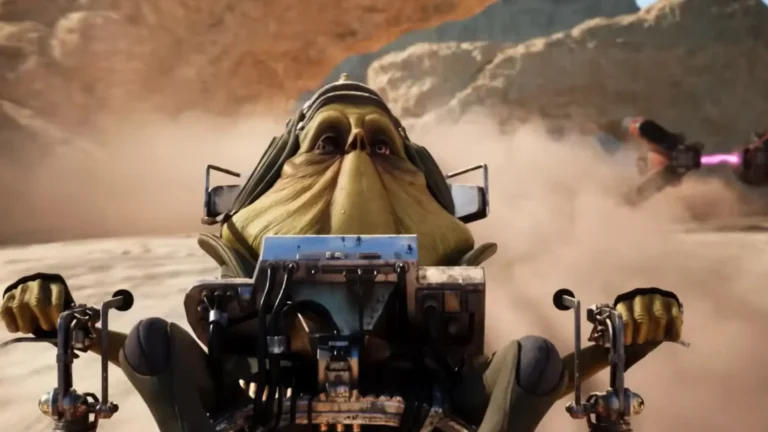
| Star Wars Outlaws | Open-world action-adventure | Did not meet company expectations in sales and engagement post-launch. | Underperformed commercially, highlighting challenges in launching new major IPs even within popular franchises. |
| XDefiant | Free-to-play arena shooter (Live-service) | Promising initial concept, but plagued by technical issues and lack of sustained player interest. | Closed down just months after launch, a clear failure in the competitive F2P shooter market. |
| Skull and Bones | Naval warfare action-RPG (Live-service) | Received over 5 delays prior to launch; sales have been consistently low despite continuous content updates. | A long-gestating project that has failed to find a significant audience or financial success, despite ongoing support. |
| Avatar: Frontiers of Pandora | Open-world first-person shooter | Initial sales and player engagement fell short of company expectations. | Received a recent boost from a third-person update, the upcoming Avatar 3 movie, and ongoing expansions, showing some signs of recovery but still behind initial projections. |
| Rainbow Six Siege | Tactical first-person shooter (Live-service) | Massive commercial success; continues to be a strong performer. | A flagship live-service title that remains highly profitable and provides a stable revenue stream, but is an outlier amidst other struggles. |
| Assassin’s Creed Shadows | Open-world action-RPG | Performed “well in sales” according to company statements. | Despite decent sales, the underlying investment structure means even ‘good’ sales might not be enough to justify the company’s past expansion. |
The challenges with live-service games are particularly illustrative. While Rainbow Six Siege stands as a testament to what a successful live-service model can achieve, titles like XDefiant and Skull and Bones demonstrate the immense difficulty and financial risk involved in establishing new ones. The market for these types of games is highly saturated, demanding not just compelling gameplay but also flawless execution, continuous innovation, and a dedicated community from day one. Ubisoft’s missteps in these areas have resulted in significant sunk costs without adequate returns.

CEO Yves Guillemot’s Autocritique: A New Direction for Ubisoft
The recent public statements from Yves Guillemot represent a crucial turning point for Ubisoft. His acknowledgment of the company’s self-deception and overestimation of post-pandemic demand signals a shift in corporate transparency and strategy. It’s an admission that, while difficult, is often a necessary first step towards meaningful change.
Guillemot’s vision for the future emphasizes a “more focused and agile” company. This phrase, while common parlance in corporate restructuring, carries significant weight in Ubisoft’s context:
- Focus: Implies a narrowed pipeline, concentrating resources on fewer, higher-quality projects, particularly those within established and successful franchises. This means fewer experimental titles and a stronger emphasis on refining core gameplay loops.
- Agility: Suggests an ability to adapt more quickly to market trends, iterate on designs, and respond to player feedback. This could mean more modular development, tighter team structures, and a less cumbersome decision-making process.
Furthermore, Guillemot spoke about building “robust teams that balance veteran experience with young talent,” ensuring the company is “well equipped to produce games of the highest quality.” This indicates a strategic approach to talent management, aiming to retain invaluable institutional knowledge while injecting fresh perspectives and fostering innovation from within. It also hints at the critical importance of avoiding another wave of talent drain, which can cripple development efforts.
The Road Ahead: Strategic Recalibration and Franchise Reinforcement
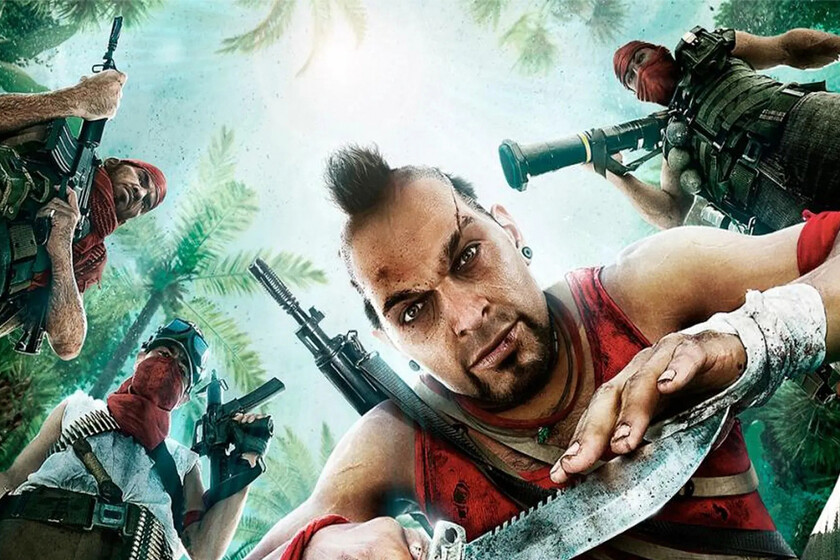
Despite the significant challenges, Ubisoft is not retreating entirely. The company is doubling down on its most valuable intellectual properties, recognizing that these established brands offer the most reliable path to recovery and sustained success. Guillemot has confirmed that there are two new Far Cry games in development, alongside “multiple Assassin’s Creed titles” – encompassing both single-player narrative experiences and multiplayer ventures.
Ubisoft’s Future Focus Areas:
- Core Franchises: Prioritizing development on proven hits like Assassin’s Creed and Far Cry. These franchises have dedicated fan bases and a strong track record of commercial success, providing a more predictable revenue stream.
- Quality Over Quantity: The new emphasis on “highest quality” suggests a shift away from the rapid production cycle that characterized the expansion era. This could mean longer development times for individual titles, but potentially more polished and critically acclaimed releases.
- Balanced Portfolio: While live-service games remain part of the strategy (as seen with ongoing support for Rainbow Six Siege and Skull and Bones), there appears to be a renewed commitment to single-player experiences that Ubisoft is traditionally known for.
- Talent Development: Investing in robust teams and fostering a creative environment to ensure long-term development capabilities and innovation.
The success of this recalibration hinges on several factors: the ability to execute on these promises, the reception of upcoming titles, and the capacity to rebuild employee morale and public trust. The gaming landscape is more competitive than ever, and player expectations are at an all-time high. Ubisoft’s recovery will not be swift or easy, but the acknowledgment of past mistakes is a vital first step towards a more sustainable and successful future.
Lessons Learned: A Broader Industry Perspective
Ubisoft’s journey through this period of self-correction offers valuable lessons not just for the company itself, but for the entire video game industry. The pandemic-induced boom was an anomaly, not a new normal. Relying on an accelerated growth trajectory without accounting for market normalization proved to be a costly error for many. This highlights the importance of:
- Realistic Market Forecasting: Companies must exercise caution and conduct thorough, long-term market analyses that factor in potential shifts in consumer behavior rather than simply extrapolating short-term trends.
- Sustainable Growth Strategies: Expansion, whether in workforce or project pipeline, should be scalable and adaptable, allowing for graceful contraction if market conditions change. Over-committing to high-risk, high-reward models like numerous simultaneous live-service games without proven market demand can be catastrophic.
- Employee Well-being: Rapid hiring followed by mass layoffs creates instability and erodes trust. A focus on stable employment, fair working conditions, and transparent communication is crucial for retaining talent and fostering a positive work environment.
- Focus on Core Strengths: While innovation is vital, sometimes returning to and refining what a company does best can be the most effective path during challenging times. For Ubisoft, this means leveraging its storied franchises and expertise in open-world game development.
The experience of Ubisoft serves as a stark reminder that even the most established players in the entertainment world must remain vigilant, adaptable, and occasionally, humbly self-critical to navigate the dynamic currents of market demand and technological evolution.
Conclusion: Ubisoft’s Path to Redemption and Renewal
Ubisoft stands at a critical juncture. The period of aggressive expansion, fueled by pandemic-era optimism, has given way to a necessary, albeit painful, era of introspection and restructuring. CEO Yves Guillemot’s candid admission of overestimation is a significant step, signaling a commitment to learning from past mistakes and charting a more sustainable course.
The road ahead is undoubtedly challenging. With a reduced workforce, significant project cancellations, and a portfolio that has seen more misses than hits recently, Ubisoft faces the daunting task of regaining market momentum and investor confidence. However, by focusing on its most beloved franchises, prioritizing quality over quantity, and fostering a more agile development environment, the company has a clear strategy for renewal.
Ultimately, Ubisoft’s ability to navigate this transformation will depend on its execution. The gaming world eagerly awaits to see if this “total reset” will lead to a leaner, more focused, and ultimately, a more successful Ubisoft capable of consistently delivering the high-quality, innovative experiences its players have come to expect. The lessons learned from this period of self-reflection could very well redefine its legacy for decades to come.